Problem Statement
People forget tasks, promises, meeting details, and daily instructions.
For elderly users or people with memory difficulties, missing those details can be much more serious.
A private wearable assistant that saves conversations locally and answers questions about them later.
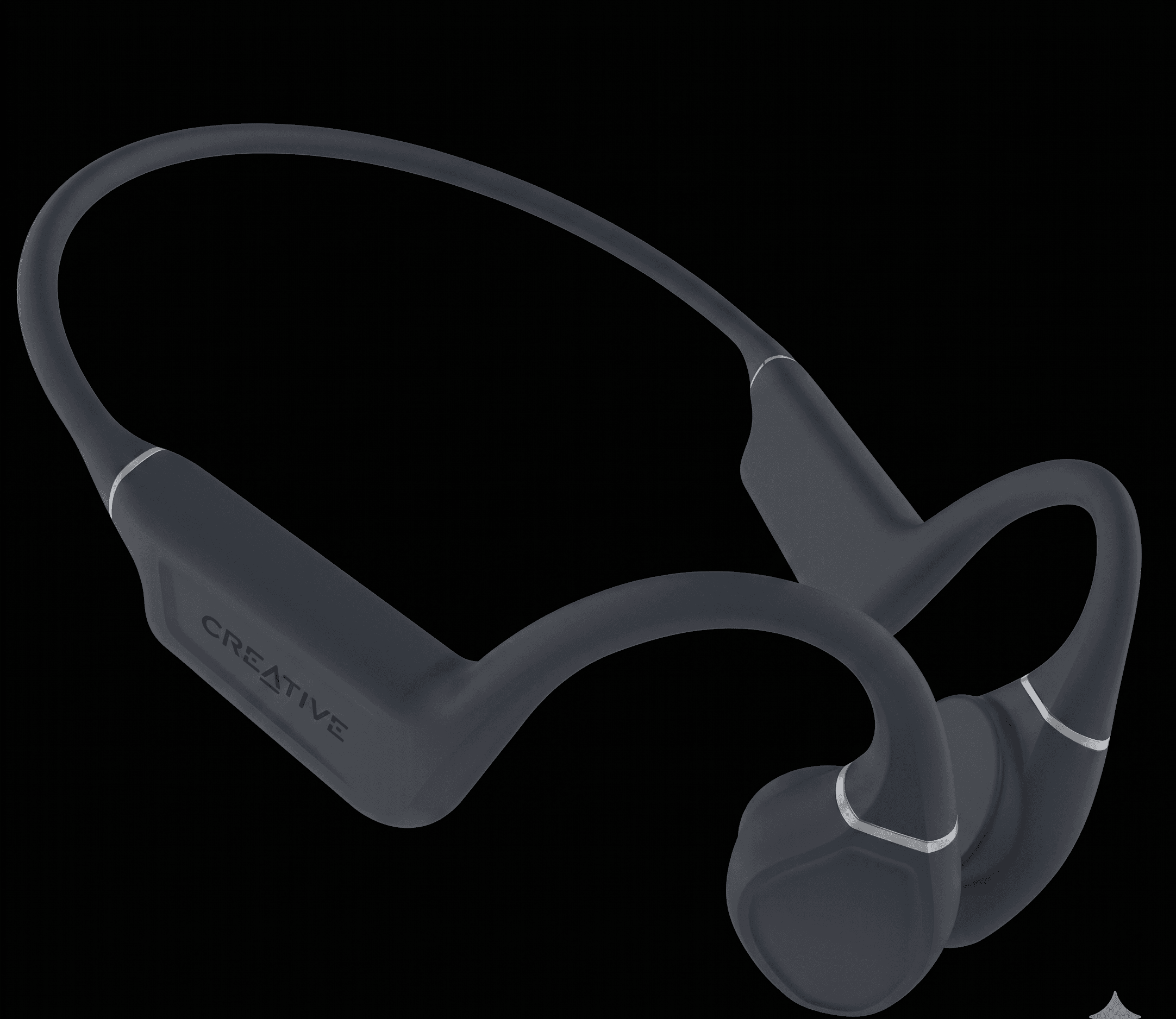
The headset captures useful speech and skips dead air.
NEURAID turns real conversations into private, searchable memory.
People forget tasks, promises, meeting details, and daily instructions.
For elderly users or people with memory difficulties, missing those details can be much more serious.
NEURAID captures useful speech, stores it locally, and lets the owner ask voice questions later.
It verifies the user, retrieves relevant memories, and speaks back a concise answer.
Fast recall for conversations, classes, meetings, and care routines.
Recall conversations, tasks, and instructions.
Help students and professionals remember spoken details.
Support elderly users with memory difficulties.
Ask natural voice questions about stored memories.
Six steps from speech capture to spoken answer.
Capture speech from a headset or microphone.
Transcribe useful audio locally.
Store searchable memory chunks in ChromaDB.
Verify the owner before recall.
Retrieve relevant memories for a question.
Generate and speak the answer locally.
Local memory plus owner voice verification before recall.
Current prototype supports owner-versus-other attribution. Full multi-person diarization is a future upgrade.
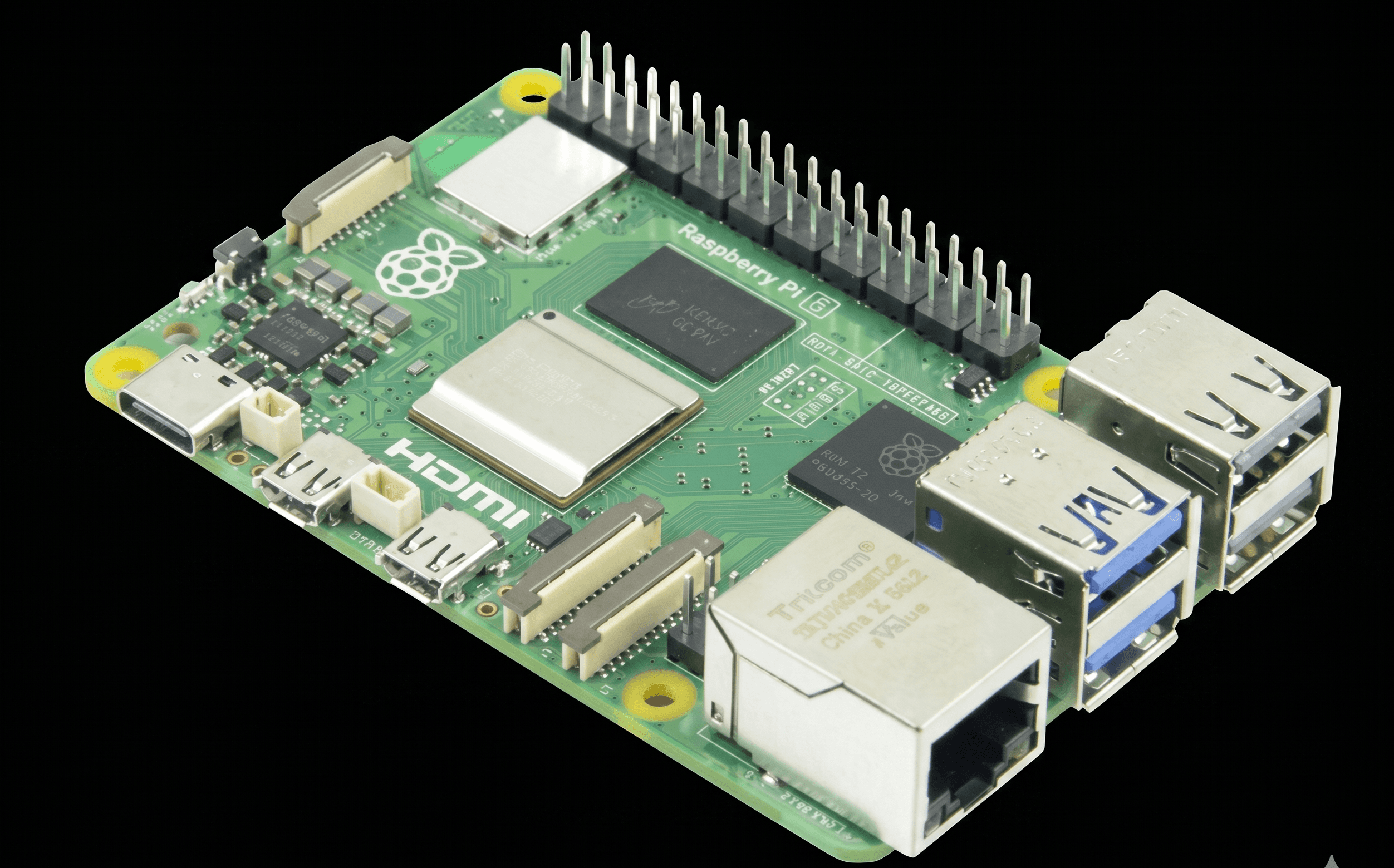
The Raspberry Pi 5 prototype demonstrates speech capture, memory storage, secure recall, and spoken answers.
Measured values such as response time, transcription accuracy, authentication accuracy, and storage usage can be added after final testing.
The prototype proves the pipeline; the product can become smaller, smarter, and easier to wear.
Smaller wearable hardware.
Mobile app and memory timeline.
Improved speaker identification.
Multilingual support.
Caregiver and elderly-care features.
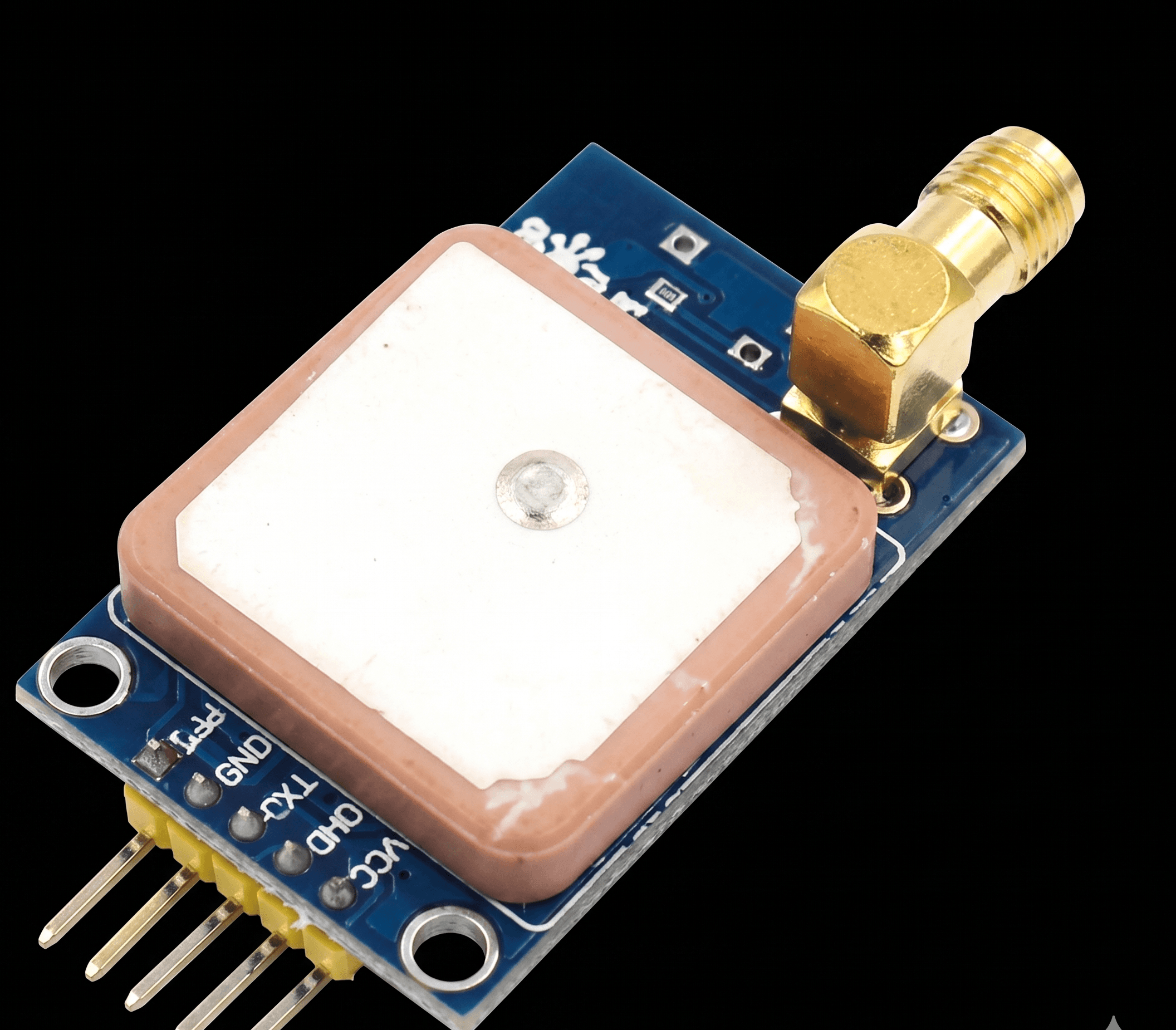
Real GPS integration.
No. The core prototype uses local STT, storage, retrieval, LLM response generation, and TTS.
Voice authentication blocks recall when the speaker does not match the enrolled owner.
Yes, when the required local models are installed on the device.
No. Raspberry Pi 5 proves the prototype; the product can later move to compact wearable hardware.
A private edge-AI pipeline for capturing, searching, and recalling spoken memory.
Headset audio capture with VAD filtering.
Distil-Whisper turns speech into local text.
Voice verification protects private recall.
Stored memories become searchable context.
Local model answers from retrieved memories.
Piper speaks answers back through audio.
Memories can include place and time metadata.
Audio is processed locally, embedded with mxbai GGUF, and stored in ChromaDB.
On query, owner voice auth gates retrieval before Gemma-3 and Piper respond.
Headset audio enters VAD and recorder workers.
Distil-Whisper turns accepted segments into text.
mxbai GGUF embeddings are stored in ChromaDB.
Owner voice auth gates retrieval and Gemma-3 answers.
Capture, memory, retrieval, response.
Final Year Project Group